

Key Takeaways
- Inspect the roof, attic, gutters, flashing, and surrounding drainage before severe weather threatens.
- Roof-to-wall connections, roof decking, windows, exterior doors, and garage doors all affect how a house responds to wind and rain.
- Take photos and save repair records before a storm, not after damage has occurred.
- Use qualified professionals for structural concerns, roof access, and repairs that may require permits.
- Pair property improvements with an evacuation plan, emergency supplies, and current local alerts.
For Sarasota County homeowners, hurricane preparation begins long before a storm enters the Gulf. A roof that appears sound from the driveway can still have aging sealant, loose flashing, clogged drainage, or weak connections that allow wind-driven rain to reach the interior.
A careful review helps homeowners separate simple maintenance from work that needs professional evaluation. When visible damage or questions about permitted structural repairs arise, speaking with a qualified General Contractor can help clarify the scope of work before storm-season demand makes scheduling more difficult.
Why Early Roof Preparation Matters in Sarasota County
Florida roofs face intense sun, humidity, heavy rain, and periodic tropical weather. Over time, those conditions can affect shingles, tiles, metal components, sealants, gutters, and the areas where the roof meets walls, vents, skylights, or equipment mounts. Small defects can become larger problems when strong winds push rain beneath roof coverings.
Completing maintenance early also gives homeowners time to compare repair options, obtain needed permits, and avoid making rushed decisions when a storm watch is already in effect. Although this is a pre-season checklist, it remains useful throughout the year.
The Atlantic hurricane season officially runs from June 1 through November 30, so homeowners should continue to monitor conditions and maintain their property throughout the season.
Start With a Safe Ground-Level Roof Check
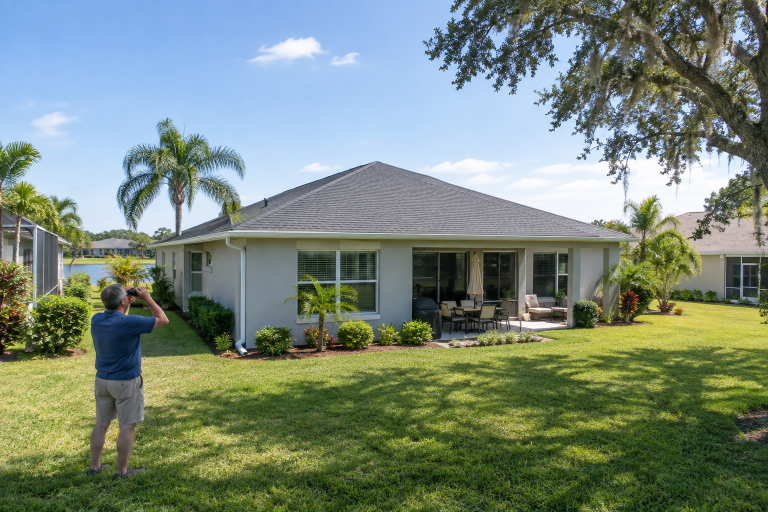
Do not climb onto a roof to perform a routine visual review. Instead, use binoculars, a phone camera with zoom, or photos taken from several points around the yard. If the roof is steep, wet, fragile, or difficult to access, leave closer inspection to a qualified professional.
Homeowners considering broader Hurricane Proofing measures should begin by identifying the home’s current weak points rather than assuming every property needs the same upgrade.
- Look for missing, cracked, curled, lifted, or visibly displaced shingles or tiles.
- Watch for sagging roof lines, open gaps, damaged fascia, or separated soffit panels.
- Check roof edges for staining, loose material, or signs that water has repeatedly overflowed.
- Photograph each visible roof slope and exterior wall before severe weather develops.
Clear Gutters and Check Drainage Paths
Gutters and downspouts should move roof runoff away from the building. Remove leaves, branches, roof granules, and other debris that can block flow.
Repair loose hangers and sagging sections, then confirm that downspouts do not empty directly beside the foundation, exterior walls, or areas where water already pools.
Also, inspect the yard after substantial rain. Standing water near walkways, walls, or low points can indicate a drainage problem that deserves attention before extended rainfall arrives.
Inspect Flashing, Penetrations, and Roof Edges
Leaks commonly develop where roofing meets another surface or object. Review visible flashing around chimneys, plumbing vents, skylights, valleys, wall intersections, satellite mounts, and air-conditioning equipment. Rust, cracked sealant, lifted metal, loose fasteners, and open gaps are warning signs.
A surface patch may not address concealed damage to the roof deck or framing, so recurring leaks should be investigated thoroughly.
Understand Roof-to-Wall Connections and Decking
Metal clips, straps, and similar connectors help transfer wind forces from the roof into the walls and foundation. Older Sarasota County homes may use different connection methods than newer construction, and the hardware may only be visible from an accessible attic.
Homeowners should not remove insulation extensively or alter structural components to investigate these connections.
The roof deck is the structural layer beneath the outer roof covering. Loose attachment, damaged sheathing, or signs of moisture in the attic deserve professional review.
When a roof is repaired or replaced, it can also be practical to ask about secondary water protection, an additional water-resistant layer intended to help limit interior water entry if the outer covering is damaged.
Protect Openings and the Areas Around the House
A roof is only one part of the building envelope. Check window locks, frames, shutters, door hardware, weather seals, and garage-door components. Store approved coverings, fasteners, and installation tools where they can be reached without searching during a warning.
Do not wait until a storm is approaching to test a shutter system or determine whether materials are missing.
Outside, remove dead limbs and trim branches that overhang or rub against the roof. A qualified tree professional should assess large, damaged, or unstable trees. Secure patio furniture, grills, planters, decorations, sheds, gates, and play equipment, since loose items can become airborne in high winds.
Know When to Schedule a Professional Inspection
A professional inspection is especially useful for homes with recurring leaks, visible roof damage, incomplete repair records, coastal exposure, or plans for roof replacement.
The review should consider the roof covering, flashing, attic conditions, visible decking, drainage, roof-to-wall connections, openings, and signs of water intrusion.
Organize Work by Priority
- Address active leaks first. Water can affect ceilings, insulation, wall cavities, and electrical components.
- Correct immediate safety hazards. Unstable trees, loose exterior components, and visible structural damage need prompt attention.
- Repair roof openings and flashing. These are frequent paths for wind-driven rain.
- Plan larger resilience upgrades. Consider roof attachment, garage doors, opening protection, and water-resistance improvements based on the home’s condition.
Keep Records and Prepare the Household
Before a storm, take date-stamped photos and keep copies of inspection reports, permits, invoices, warranties, and product information. Review the hurricane deductible and coverage limits in the insurance policy, and ask the insurer which mitigation documents may be relevant to the policy. Property preparation should also support the household plan.
Florida’s emergency guidance recommends knowing evacuation information, maintaining supplies tailored to household needs, preserving important documents, and following local emergency instructions through Florida’s hurricane preparedness planning resources.
A Practical Annual Timeline
- January through March: Review roof condition, trim trees, organize records, and identify major repair needs.
- April through May: Complete inspections, roof repairs, drainage work, and opening-protection projects.
- June through November: Monitor forecasts, maintain emergency supplies, and secure outdoor items when watches or warnings are issued.
- After major storms: Inspect from the ground, photograph visible damage, and report urgent problems promptly.
Common Questions
Does an older roof always need replacement?
No. Age is only one consideration. Material condition, past repairs, installation quality, visible damage, and water intrusion history all matter when deciding among maintenance, repair, reinforcement, or replacement.
Can a homeowner inspect roof connections alone?
Homeowners can look for obvious conditions from accessible areas, but structural connectors may be hidden or difficult to interpret. A qualified professional should review uncertain conditions.
Will storm improvements reduce insurance costs?
Some qualifying mitigation features may be relevant to insurance credits, but eligibility and savings depend on the insurer, policy, documentation, and inspection results.
A hurricane-ready Sarasota County home is built on routine observation, timely repairs, secure openings, clear drainage, and organized records. Preparation cannot eliminate every storm risk, but it can reduce avoidable weak points and make post-storm decisions more manageable.
Conclusion
Preparing a Sarasota County home for hurricane season involves more than checking the roof. Homeowners should review gutters, flashing, roof-to-wall connections, windows, doors, garage doors, and surrounding drainage to identify potential weak points before severe weather arrives.
Addressing visible damage early, keeping trees and outdoor items under control, and arranging professional inspections when needed can help reduce avoidable risks. It is equally important to document the property’s condition, retain repair and permit records, and understand relevant insurance coverage before a storm threatens.
Since preparation also involves the people in the home, households should maintain emergency supplies, know local evacuation routes, and follow official alerts and instructions.
While no checklist can eliminate hurricane damage, consistent maintenance and planning can help homeowners respond more safely and manage recovery with clearer information.


