

Denver experiences frigid temperatures. This requires efficient heating that provides even and comprehensive warmth throughout your home.
About 54% of the average Colorado household’s energy expenses go toward space heating. Tightly sealed and well-insulated homes can reduce heating costs considerably compared to leaky ones.
With gas prices lower in Denver, a furnace is typically less expensive than a heat pump that doubles as an air conditioner.
Energy Efficiency
Denver homes require reliable Denver Heating solutions to combat chilly temperatures and snowfalls. While there are other solutions, a comprehensive approach to heating efficiency is the most effective strategy to save energy expenses and environmental impact.
On average, 54% of a home’s energy expenses go toward space heating. Tightly sealed and well-insulated homes are much less expensive to heat than leaky and poorly insulated buildings. The type of heater you use is another factor that affects heating costs.
Furnaces, boilers, and heat pumps offer varying levels of efficiency. Furnaces burn a fuel source in a heat exchanger to produce hot air distributed throughout the home through ducts. Boilers use a similar method but deliver heated water or steam instead of air.
A heat pump is an efficient option because it works year-round to keep your home warm and cool. It’s also exempt from Colorado’s 2.9% sales tax, and Xcel Energy offers rebates on qualifying models.
Reduced Noise
Forced air heating systems can be noisy and disruptive to a home. By contrast, radiant heating and other alternative solutions create cozy, comfortable, and quiet indoor environments without the distraction of forced air blowing through vents and ductwork.
Boiler systems heat homes by moving hot water through baseboards or radiators and in-floor radiant tubing that warms a home’s floors. These systems are durable, long-lasting, energy-efficient, and quiet.
Denver also embraces district energy, a system combining various sustainable sources to heat or cool neighborhood buildings. This gold-standard solution is a good choice for Denver because it allows for easier regulation, economies of scale, and quick switching to new sources. It also lowers greenhouse gas emissions and lessens reliance on foreign oil.
Increased Home Value
Winters in Denver can be brutal, and a reliable heating system is essential for indoor comfort. A high-quality, energy-efficient system that’s easy to maintain can save you money and reduce noise.
Depending on your home, you may use gas furnaces or heat pumps. Each option has its pros and cons.
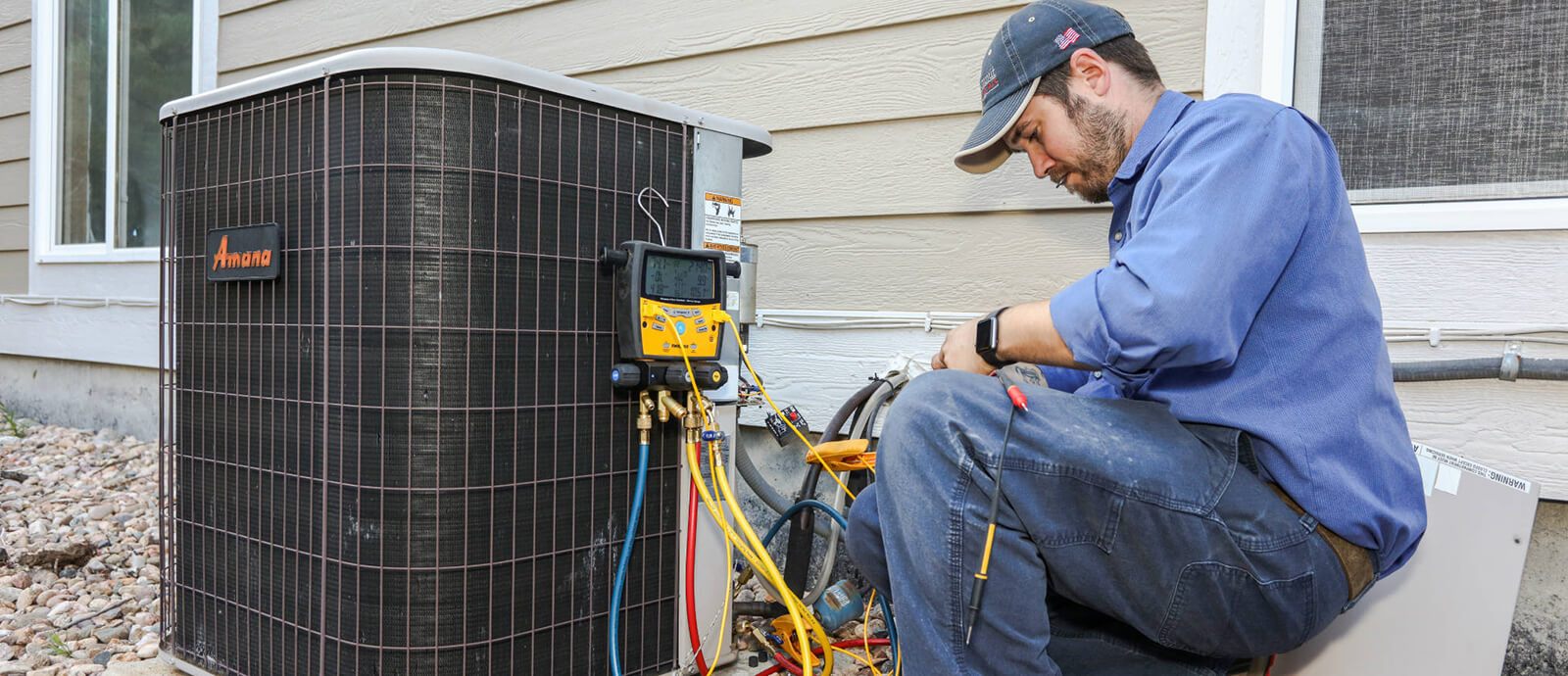
The upfront cost of a heat pump is slightly more than a furnace, but it’s essential to consider the long-term savings and benefits. You may have all-in-one heating and cooling for a single fee with a heat pump because it doubles as an air conditioner and heater.
Back in the 1940s, 3 out of every four homes used wood as a heat source. In contrast, Colorado relied on wood less than other parts of the country. Today, only 2 out of a thousand Coloradans use kerosene or fuel oil as a heat source. You can join the movement toward a cleaner, healthier community by upgrading to a heat pump.
Less Maintenance
Denver’s winters require a high-quality heating solution to survive. It’s a solution that must be efficient, safe, quiet, and nearly maintenance-free. Radiant heating offers all of those benefits in a single system.
Heat pumps and gas furnaces have a lifespan that can be stretched further with regular HVAC maintenance. A good maintenance program ensures the system is clean and properly oiled. It also maximizes the system’s ability to transfer heat and cool air by regularly checking and cleaning coils.
The LEAP program helps low and moderate-income Coloradans pay their heating bills for six months. If you own a home, apartment complex, or manufactured home and meet the eligibility criteria, apply for LEAP today.


