

Ever looked around your home and wondered where all your stuff actually goes? Do you find yourself playing Tetris with your belongings just to close a cupboard door? You’re definitely not alone. Across Australia, more people than ever are embracing compact living—whether by choice or necessity.
The shift towards smaller homes isn’t just a trend; it’s a practical response to rising property prices, changing lifestyle priorities, and a growing awareness of our environmental footprint. From inner-city apartments in Melbourne to cosy townhouses in Brisbane, Australians are discovering that living small doesn’t mean living without style or comfort.
The key lies in being clever about how you use every square metre. Smart home renovations can also help maximise available space while improving functionality and comfort.
In this guide, we’ll explore practical space-saving ideas that actually work in real homes. You’ll discover how to maximise your layout, find hidden storage opportunities you never knew existed, and transform cramped rooms into functional, breathable spaces.
Whether you’re dealing with a tiny kitchen, a compact bedroom, or a bathroom that feels more like a cupboard, we’ve got strategies to help. Let’s get stuck into making your small home work harder for you.
How Do You Maximise Space in a Small House?
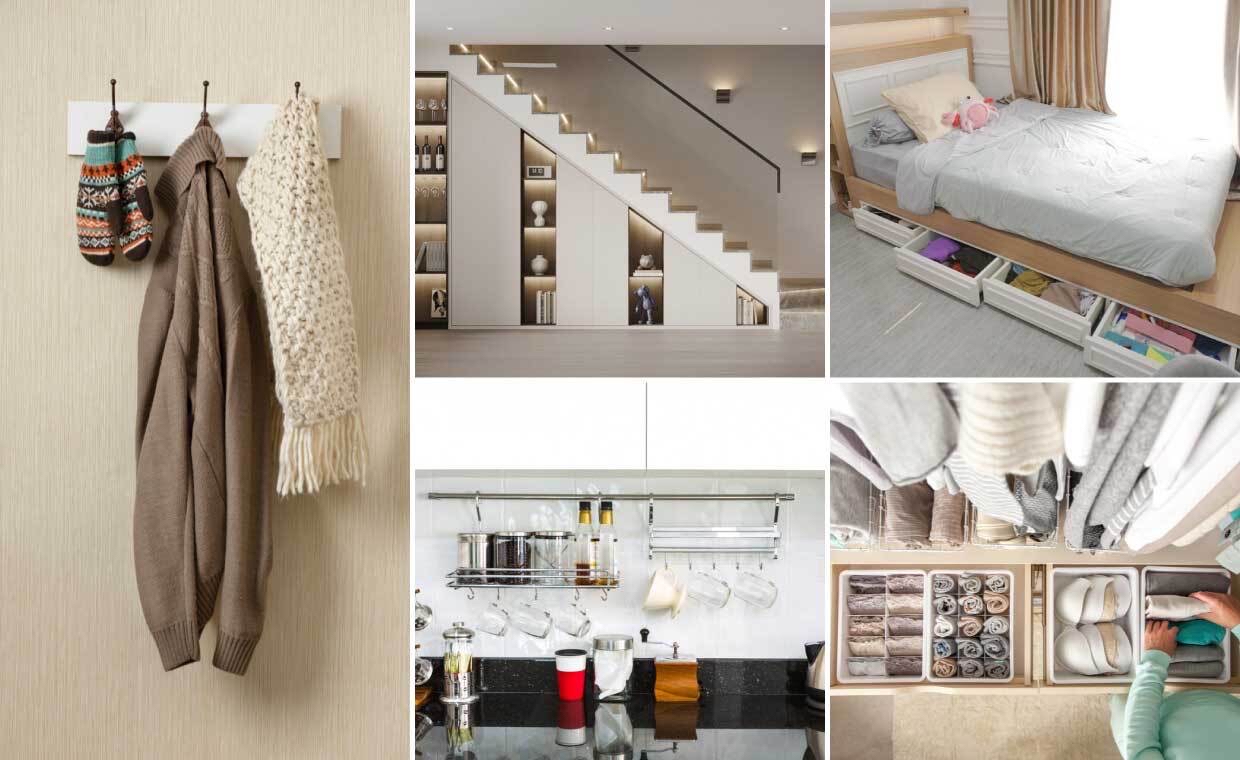
Understanding Your Layout and Flow
Before you buy a single storage basket or floating shelf, take a good look at how your home actually flows. Walk through each room and notice where you naturally move. Are there bottlenecks? Furniture pieces blocking pathways? Understanding your layout is the foundation of smart space planning.
Think about zones within each room. Your living area might need to serve as a workspace, entertainment zone, and relaxation spot. Mapping out these functions helps you arrange furniture purposefully rather than randomly.
The Power of Decluttering Before You Organise
Here’s the thing—no amount of clever storage will help if you’re holding onto things you don’t need. Decluttering isn’t just about throwing things away; it’s about being honest about what serves your life right now. That bread maker you used once in 2019? Probably time to let it go.
Start with one drawer or shelf. Sort items into keep, donate, and discard piles. You’ll be amazed at how much breathing room appears when you remove the unnecessary.
If you’re planning home renovations, decluttering first can also help you understand what you actually need, making it easier to create a more functional and organised space.
Thinking Vertically: Your Walls Are Prime Real Estate
When floor space is limited, look up. Your walls offer incredible storage potential that often goes completely unused.
From tall bookshelves to wall-mounted hooks and overhead cabinets, vertical solutions can dramatically increase your storage capacity without eating into precious floor area.
Clever Storage Solutions for Small Homes
What Are the Best Storage Ideas for Small Spaces?
Built-In Storage That Works Harder
Built-in storage is a game-changer for compact homes. Think window seats with hidden compartments, bed frames with drawers underneath, and alcoves transformed into fitted wardrobes. These solutions make use of awkward spaces that would otherwise sit empty.
Hidden Storage You Never Knew You Needed
Look for overlooked opportunities everywhere. The space under your stairs could become a pull-out pantry. Hollow ottomans can store blankets and magazines. Even the toe-kick area beneath kitchen cabinets can house slim drawers for baking trays.
Multi-Functional Furniture Worth the Investment
Furniture that does double duty is essential in small homes. Consider:
– Sofa beds for hosting overnight guests
– Dining tables that extend when needed
– Coffee tables with lift-up tops for storage
– Murphy beds that fold into the wall
How Can I Add Storage to a Small Room Without It Looking Cluttered?
Floating Shelves and Wall-Mounted Options
Floating shelves create storage without visual heaviness. They keep the floor clear, making rooms feel larger. Arrange items thoughtfully—mix books with plants and decorative pieces to avoid that cluttered look.
Storage Ottomans and Bench Seating
These clever pieces provide seating and hidden storage simultaneously. Place a storage ottoman at the foot of your bed or use bench seating with lift-up lids in your entryway for shoes and bags.
Behind-the-Door and Under-Bed Solutions
Don’t ignore the back of doors—perfect for hanging organisers, hooks, or slim racks. Under-bed storage containers keep seasonal items accessible but out of sight.
Room-by-Room Space-Saving Strategies
Small Kitchen Organisation Ideas
How Do You Organise a Tiny Kitchen?
Small kitchens demand ruthless organisation. Start by grouping items by function—keep everyday dishes near the dishwasher, cooking utensils near the stove. Use drawer dividers and cabinet organisers to maximise every centimetre.
Smart Cabinet and Pantry Solutions
Install pull-out shelves in deep cabinets so nothing gets lost at the back. Lazy Susans work brilliantly for corner cupboards. Door-mounted racks inside pantry doors create extra shelf space for spices and condiments.
Making the Most of Benchtop Space
Keep benchtops clear by mounting knife strips and utensil holders on walls. A magnetic spice rack on the splashback frees up valuable cabinet space. Only keep appliances you use daily on the counter; store everything else away.
Bedroom Space-Saving Tips
What Is the Best Bed for a Small Room?
Platform beds with built-in drawers offer substantial storage without requiring additional furniture. Alternatively, loft beds work wonderfully in rooms with high ceilings, creating space underneath for a desk or seating area.
Wardrobe Solutions for Compact Bedrooms
If a walk-in wardrobe isn’t possible, make your existing wardrobe work smarter. Add a second hanging rod for shorter items. Use shelf dividers, drawer organisers, and door-mounted shoe racks. Vacuum storage bags compress bulky seasonal clothing.
Bathroom Storage Hacks
How Do You Make a Small Bathroom Feel Bigger?
Light colours, good lighting, and mirrors are your best friends here. A large mirror above the vanity reflects light and creates depth. Glass shower screens make the room feel more open than shower curtains.
Vertical Storage in Wet Areas
Tall, narrow cabinets fit into tight spots beside toilets or vanities. Over-toilet shelving units utilise otherwise wasted wall space. Shower caddies and corner shelves keep toiletries organised without cluttering ledges.
Living Room Layout Ideas
Furniture Arrangement for Small Lounges
Pull furniture away from walls—counterintuitive as it sounds, this can actually make rooms feel larger. Choose sofas with exposed legs to create visual space underneath. Consider a sectional that fits snugly into a corner.
Multi-Purpose Living Spaces That Actually Work
Define different zones using rugs or furniture arrangement. A small desk in the corner becomes a home office. A bookshelf can act as a room divider while providing storage on both sides.
How Do You Make a Small Home Look Bigger?
Colour Choices That Create the Illusion of Space
Light, neutral colours reflect more light and make walls appear to recede. Whites, soft greys, and pale blues work beautifully. Keep your colour palette consistent throughout to create visual flow.
Lighting Tips for Small Rooms
Layer your lighting with ambient, task, and accent options. Avoid relying solely on overhead lights—table lamps and wall sconces create depth and warmth. Natural light is invaluable, so keep window treatments minimal.
Mirrors and Reflective Surfaces
Strategically placed mirrors bounce light around rooms and create the illusion of extended space. Position mirrors opposite windows to maximise natural light reflection.
Smart Furniture for Small Spaces
What Furniture Makes a Small Room Look Bigger?
Furniture with slim profiles and raised legs creates visual lightness. Transparent pieces like glass coffee tables or acrylic chairs take up physical space without visual weight. Avoid bulky, overstuffed pieces that dominate rooms.
Foldable and Extendable Options
Wall-mounted drop-leaf tables fold flat when not needed. Nesting tables provide flexibility—stack them together or spread them out when entertaining. Folding chairs can live in a cupboard until guests arrive.
Small Home Design Mistakes to Avoid
Common Errors That Make Spaces Feel Cramped
Overcrowding is the biggest culprit. Just because furniture fits doesn’t mean it belongs. Too many small decorative items create visual chaos. Dark, heavy curtains can make rooms feel closed in and smaller than they are.
Oversized Furniture and Poor Planning
That enormous corner sofa might look fantastic in the showroom, but measure twice before buying. Furniture should suit your room’s scale. Leave adequate pathways—cramped traffic flow makes any space feel uncomfortable.
Embracing Small Space Living with Confidence
Living in a compact home doesn’t mean compromising on style, comfort, or functionality. With thoughtful planning and clever solutions, small spaces can feel surprisingly spacious and incredibly liveable.
The strategies we’ve explored—from vertical storage to multi-functional furniture—prove that creative thinking trumps square metres every time.
The beauty of small home living lies in its intentionality. Every item earns its place. Every piece of furniture serves a purpose. This mindful approach often leads to homes that feel more curated, personal, and genuinely comfortable than their larger counterparts.
Your next steps? Start small. Choose one room or even one corner to tackle first. Declutter ruthlessly, then implement storage solutions that suit your lifestyle. If you’re considering home renovations, these ideas can also help you plan a more functional layout that makes the most of every square metre.
Remember, creating a functional small home is a journey, not a weekend project. Take your time, experiment with layouts, and enjoy the process of making your space work beautifully for you.


