

Welcome, dear friends and fellow design enthusiasts, to another deep dive into the mesmerising world of home improvement tools. Today, our compass is pointing resolutely towards a tool that some of you might find yourself saying, “Oh yes, I’ve heard of it but what exactly is it?” Curiosity piqued? I’m talking about carbide tools, those mysterious yet fascinating items that are often mentioned but seldom explored.
Imagine wandering down the halls of a modern architectural creation or exploring the intricacies of a beautifully crafted piece of furniture at home.
Have you ever stopped to wonder about the brilliant minds and skilled hands that have made it all possible? Not to forget, the tools!
Tools, especially carbide ones, prove instrumental in turning grand visions into concrete reality. Who knows, perhaps they’ve even had a part to play in shaping your own lovingly curated living space.
As your guide to this unseen domain, I will illuminate the path and shed light on the different types and functions of carbide tools.
Whether you’re an industry professional, a curious homeowner, or an enthusiastic DIY’er, this voyage is set to offer valuable insights and engaging content. So, strap in as we set forth on this expedition of knowledge.
The Birth and Brilliance of Carbide Tools
Carbide tools, initially introduced in the early 20th century, act as a significant cog in the machinery of various industries.
Known for their superior strength and durability, these tools have earned a reputation for being invincible workhorses, standing up to heat, wear, and tear much better than their steel counterparts.
Unique in their physical and chemical properties, carbide tools consist of a composite of carbide particles and a binding agent, usually cobalt.
This union results in a level of hardness that leaves many a tool in its shadow, thereby proving indispensable for tasks involving cutting, drilling, or shaping materials like metal, wood, or concrete.
If you’re intrigued by the line-up of carbide tool types we have in store, then anticipate a whole new level of exploration. From carbide end mills to the carbide rotary files, brace yourself for a captivating journey through the ranks of carbide tools, each triumphant in its function and fulfilment.
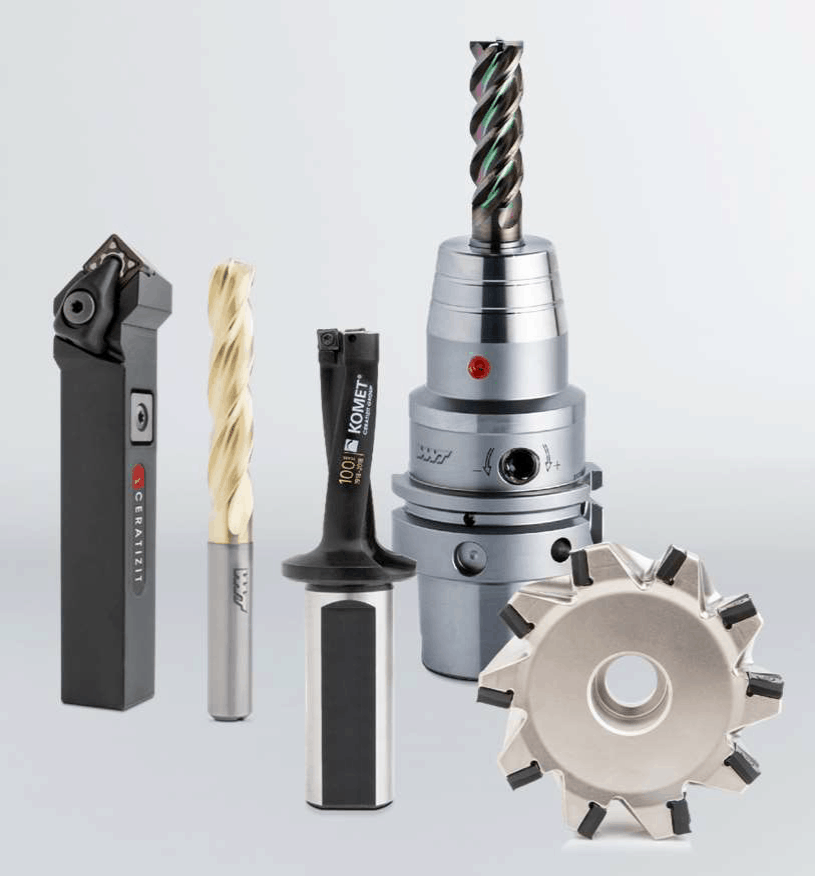
Types Of Carbide Tools and Their Unique Functions
For the uninitiated, the variety of carbide tools can seem like a complex labyrinth. Fear not, with our guide, you’ll gain an understanding of just what each tool brings to the crafting table.
You may find carbide end mills taking centre stage in milling operations, renowned for their precision and performance in cutting tasks. Then come carbide burrs, widely used for shaping, smoothing or removing material in hard-to-reach areas. And of course, the carbide inserts, those replaceable bits that eliminate the need for resharpening the entire tool, enhancing its life and productivity.
The pride continues with carbide cutting wheels employed in everything from tile cutting to metal sculpting.
Last, but certainly not least, come carbide drill bits, making masonry and metal drilling operations as smooth as gliding on glass.
Unique in their roles, these carbide tools rise to the occasion, delivering results that keep pushing the boundaries of excellence.
Why Invest in Carbide Tools? The Pros and Cons
Having journeyed through their types and functions, you likely find yourself wondering about the practical aspects of investing in carbide tools. After all, one seeks returns on investments, isn’t it so?
Carbide tools stand out with their heightened durability, resistance to wear, and ability to withstand heat, invariably enhancing the tool’s lifespan and performance. They also offer high accuracy and precision in tasks, ensuring a job well done each time.
However, it’s only fair that we also acknowledge the cons before making a choice. The relatively high purchasing cost and the likelihood of chipping or breaking due to hard impacts are points to contemplate.
Carbide Tools: A Tool of Choice for Industry Professionals
Industry professionals across sectors have widely adopted carbide tools, given their unparalleled performance. They’ve found steady allies in these tools as they manoeuvre multiple materials and tasks.
From woodworkers visualising intricate designs to metalworkers striving for precision, the superior performance of carbide tools has allured each. Furthermore, miners and construction workers find that the durability and longevity of these tools simplify their operations.
The DIY’er’s Viewpoint: Welcoming Carbide Tools into Your Home
For all my DIY enthusiasts and hobbyists reading this, you must be wondering, “Is this a tool I should be considering?” Well, while the pros and cons might help, let’s further explore this from a DIY perspective.
Carbide tools can level up your home improvement game by leaps and bounds. Yes, the cost might initially seem daunting but remember that good tools are an investment. The precision, durability, and extended tool life you get can often justify the cost.
Conclusion
We’ve walked you through the fascinating landscape of carbide tools, shedding light on their birth, brilliance, their unique types and functions, the pros and cons, as well as their unquestionable appeal for industry professionals and DIY enthusiasts alike.
Carbide tools, with their peculiarities and prowess, stand tall as pillars of progress in the architecture, interior design, and home improvement landscapes. They’ve carved out a niche as reliable partners in crafting masterpieces, be it in industry operations or in our own homes.
In conclusion, the world of carbide tools is a revelation, brimming with awe-inspiring potential.
It might be a world less travelled but once you embark on this journey, those who dare will discover a treasure trove of possibilities that only serve to elevate their craftsmanship, be it professional or personal.
So, is it about time you welcomed carbide tools into your toolbox? Only you can decide, but hopefully, now equipped with deeper knowledge, you can make a well-informed choice!


