

Metal Recycling in Tottenham offers a practical route to cut household & business waste while putting valuable material back into the supply chain; this article walks you through the local landscape, separates ferrous from non‑ferrous streams, & reveals seven unexpected tactics that turn everyday scrap into tangible savings.
1. Look, understanding the local metal recycling landscape…
From what I’ve seen, Tottenham’s metal recycling network is a tightly‑woven set of community hubs, council‑run drop‑off points, and private yards that handle everything from old gutters to decommissioned machinery. The area’s mild climate means rust builds slower, but the salty sea breeze off the nearby coast still accelerates corrosion on ferrous parts, so timely collection is key.
In my experience, the most reliable NSW metal recycling services operate on a schedule that aligns with local market days, especially the Thursday Wednesday Friday “market‑run” circuit that passes through the industrial strip on Hume Highway. This rhythm lets residents plan drop‑offs without hunting for a random truck.
- Most yards accept aluminium cans, steel beams, and copper wiring.
- Ferrous‑focused yards give priority to steel & iron, often offering a higher‑weight credit.
- Non‑ferrous yards specialize in copper, brass, and aluminium, where purity matters.
2. Ferrous vs Non‑Ferrous: What to Separate
What typically happens is that mixing metal types can dilute the value of each batch. Ferrous metal (steel, iron) is magnetic and easy to separate with a handheld magnet, while non‑ferrous metal (copper, aluminium, brass) requires a different approach.
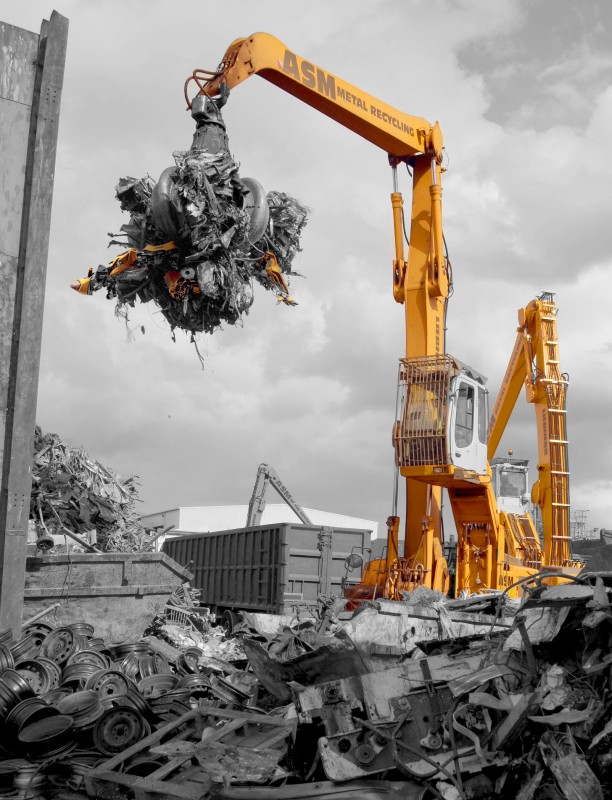
Here’s a quick way to sort at home:
- Run a magnet over the pile – anything it sticks to is ferrous.
- Rinse aluminium cans to remove food residue; dried cans stack neatly for transport.
- Separate copper wiring from insulation; strip the wire with a wire‑stripping tool for a cleaner load.
In 2026, Australian metal recycling regulations require clear labeling of each metal type before it reaches a processing facility. This helps yards meet sustainable metal disposal NSW standards and reduces contamination penalties.
3. Six Unexpected Ways to Turn Scrap into Savings
3.1 Turn Old Garden Tools into Credit
Many Tottenham residents discard rusted spades and pruning shears, yet these items still contain high‑grade steel. Bring them to a local yard that offers a “tool‑trade‑in” program; you’ll earn a credit that can offset future waste‑removal fees.
3.2 Use Scrap for DIY Home Repairs —
When you need a patch of sheet metal for a roof repair, ask the yard for off‑cut pieces. They often have leftover aluminium or steel that’s perfect for small jobs, saving you a trip to the hardware store.
3.3 Donate to Community Art Projects —
Tottenham’s community centre runs a “metal‑mural” initiative each year — Donating clean scrap not only supports local art but also qualifies for a tax‑deduction under the NSW cultural‑heritage scheme.
3.4 use Bulk‑Drop Incentives
Some yards give a bonus credit when you drop off a minimum weight in a single visit — For example, 200 kg of mixed metal can get an extra credit that covers the cost of a council waste‑collection service.
3.5 Recycle Battery Casing Metals
Old car batteries contain lead & plastic. Strip the casing and bring the lead plates to a licensed recycler; you’ll earn a credit while keeping hazardous material out of landfill.
3.6 Participate in Seasonal “Metal‑Swap” Events
Tottenham’s annual “Spring Swap” includes a metal‑exchange booth where you can trade scrap for building supplies. It’s a great way to get needed items without spending cash.
4. You know? How to prepare & transport metal for collection —
Before you haul anything, make sure the metal is free of non‑metal contaminants such as paint chips, plastic fittings, or oil stains. A quick rinse & a dry wipe can prevent costly re‑sorting at the yard.
To move larger items safely, use a sturdy hand‑truck or a low‑profile pallet jack. Many residents in the high‑traffic industrial zone keep a spare pallet on hand for exactly this purpose.
- Secure loose pieces with rope or zip‑ties to avoid shifting during transport.
- Label each bundle with “Ferrous” or “Non‑Ferrous” using a permanent marker.
- Plan your route to avoid peak traffic times – early mornings on weekdays work best.
5 — Free Metal Pick‑Up Services in Tottenham…
What typically happens is that the council contracts a few private operators to provide free pick‑up for residents who generate large volumes of scrap. You can book a collection online through the Tottenham City Council portal, selecting a time slot that matches your schedule.
In my experience the pick‑up team arrives with a high‑capacity trailer and a portable magnetic separator allowing them to load both ferrous and non‑ferrous metals in one go. Like this service is especially useful for households that have just completed a renovation.
- Eligible items include steel beams, aluminium gutters, and copper plumbing.
- Requests must include a brief description of the load size and type.
- Pick‑up windows are typically two weeks in advance, with a 30‑minute arrival window.
6. Navigating NSW Metal Recycling Regulations —
Australian metal recycling regulations stress proper documentation and traceability. Every shipment of metal must be accompanied by a transfer note that records the weight, type, and destination yard.
For small‑scale operators the NSW Environment Protection Authority (EPA) requires a licence for handling non‑ferrous metals above a certain threshold. Keeping a simple spreadsheet of each drop‑off helps you stay compliant and makes audits painless.
- Record the date, weight, and metal type for every transaction.
- Maintain a copy of the yard’s receipt for at least two years.
- Check the EPA website quarterly for updates to the sustainable metal disposal NSW guidelines.
7. Choosing the Right Metal Recycling Company
When selecting a partner, look for a yard that offers transparent weighing procedures and a clear credit system.
In Tottenham, “Tottenham Metal Works” and “South‑West Scrap Solutions” are two well‑known options that consistently meet the community’s expectations.
Here’s what I tell people to evaluate:
- Proximity to your home or business – less travel time means lower fuel use.
- Reputation for fair credit – check online reviews & ask neighbours for recent experiences.
- Availability of on‑site shredders – a yard with its own shredder can handle larger items without you having to pre‑process them.
Conclusion
Metal Recycling Tottenham is more than a waste‑disposal chore; it’s a practical, low‑cost way to keep the suburb’s environment clean and turn everyday scrap into useful credit.
By separating ferrous from non‑ferrous metals, preparing loads properly, & taking advantage of free pick‑up & community programs, you can get hidden savings without any extra expense.
Follow the local guidelines, pick a reputable yard, and make sure you keep good records – the result is a cleaner neighbourhood and a healthier wallet.


