

Have you ever walked back to your car in a shopping centre car park and noticed a fresh scratch that wasn’t there before? Or perhaps you’ve discovered mysterious marks appearing on your paintwork and wondered where on earth they came from? You’re definitely not alone in this frustration.
Car scratches are one of those annoying facts of life for Australian drivers. Whether it’s from a rogue shopping trolley, a careless door swing, or even native wildlife brushing past your vehicle, scratches happen to the best of us.
The good news is that professional car scratch repair and car respraying services can restore your vehicle’s appearance and help protect it from long-term damage.
Left untreated, scratches can expose your car’s metal body to moisture and harsh weather conditions, potentially leading to rust and more expensive repairs down the track.
In this guide, we’ll walk you through everything you need to know about car scratch repair and respraying services.
You’ll learn how to identify different types of scratches, when to tackle repairs yourself versus calling in the professionals, and what to expect from the repair process.
We’ll also cover costs, timeframes, and tips for keeping your car looking its best on Australian roads. Let’s get stuck into it.
Understanding Different Types of Car Scratches
Not all scratches are created equal. Understanding what you’re dealing with is the first step towards finding the right fix.
Clear Coat Scratches
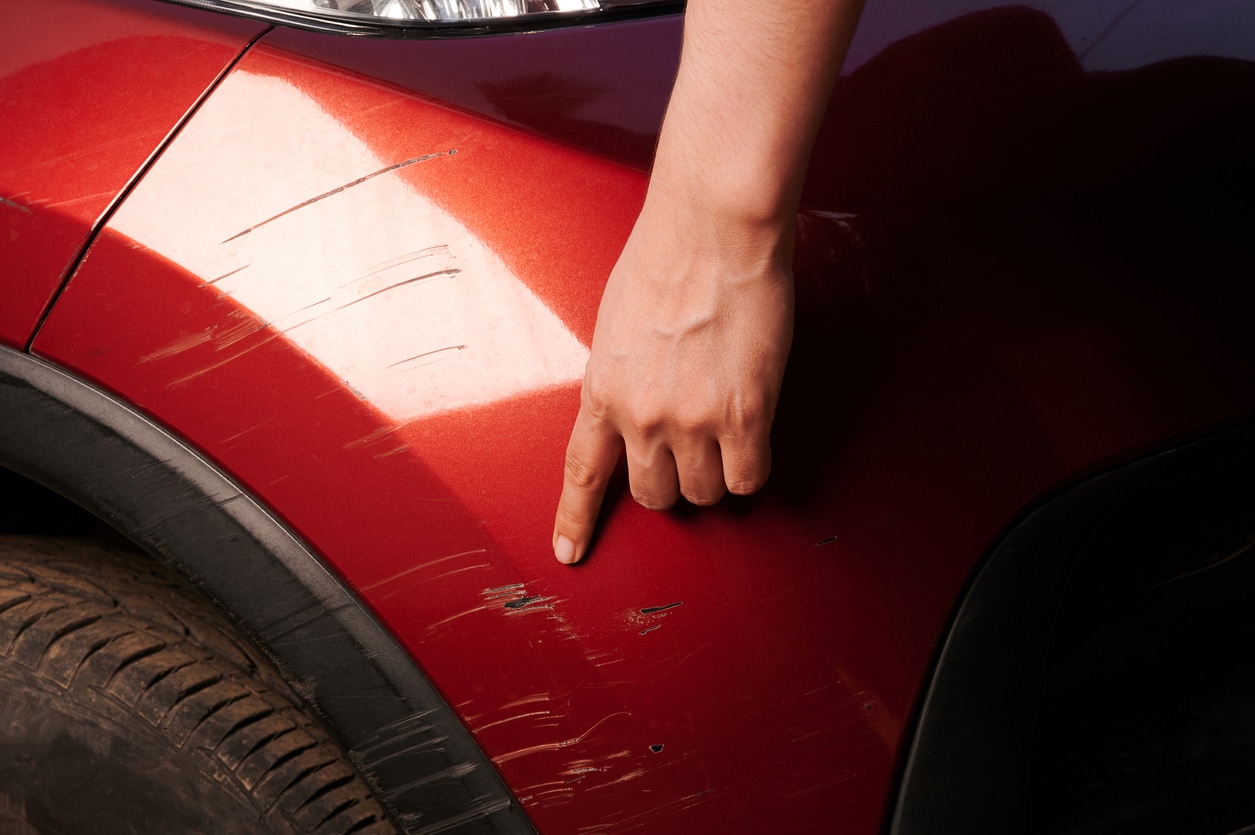
These are the most common and least severe type of scratch. Your car’s clear coat is the transparent protective layer sitting on top of the coloured paint. When something lightly grazes your vehicle, it often only affects this outer layer. The good news? These scratches typically look worse than they actually are.
Clear coat scratches usually appear as fine white lines that catch the light. Run your fingernail across the scratch – if it doesn’t catch, you’re likely dealing with a clear coat issue that’s relatively simple to address.
Primer-Level Scratches
When a scratch cuts through both the clear coat and the coloured paint layer, it reaches the primer. These scratches are more serious because they’ve penetrated deeper into your car’s protective system. You’ll often see a different colour in the scratch – usually grey or white primer showing through.
Deep Paint Scratches
The most severe type exposes the bare metal beneath all the protective layers. These scratches require immediate attention because the exposed metal will begin to rust when exposed to moisture. You’ll recognise these by the shiny metal visible at the bottom of the scratch.
How Do I Know If a Scratch Can Be Buffed Out?
Here’s a simple test: if the scratch disappears when you wet it with water, it’s likely a clear coat scratch that can be buffed out. If the scratch remains visible when wet, you’re dealing with more serious damage that requires more extensive repair work.
What Is Car Respraying and When Do You Need It?
Sometimes, scratch repair isn’t enough, and that’s where respraying comes in.
Partial Resprays vs Full Resprays
A partial respray focuses on specific panels or areas where damage has occurred. This is the most cost-effective option when scratches or damage are localised to one section of your vehicle.
Full resprays cover the entire car and are typically reserved for vehicles with extensive damage, faded paint, or owners wanting to change their car’s colour entirely.
How Long Does a Car Respray Take?
For partial work, expect your car to be in the shop for one to three days. A complete respray requires more time – usually five to seven days minimum.
Quality shops won’t rush the process because proper curing time between layers is essential for a durable finish.
The Professional Car Scratch Repair Process Explained
Understanding what happens behind the scenes helps you appreciate the skill involved.
Assessment and Quotation
Every professional repair starts with a thorough examination. Technicians assess the depth and extent of damage, checking for any rust or underlying issues. They’ll provide a detailed quote explaining exactly what work is needed and why.
Surface Preparation and Repair
Proper preparation is everything. Technicians clean the area, sand down rough edges, and fill deeper scratches with appropriate compounds. This stage takes time but determines the quality of the final result.
Colour Matching Technology
Modern panel beaters use sophisticated spectrophotometer technology to analyse your car’s exact paint colour. This accounts for fading and variations that occur over time. The result? Paint that blends perfectly with your existing finish rather than looking like an obvious patch.
Final Finishing and Quality Checks
After painting, technicians apply clear coat, allow proper curing time, then polish and buff the repaired area. Reputable shops conduct thorough quality checks under different lighting conditions to make sure the repair is invisible.
Does Car Scratch Repair Affect Resale Value?
Here’s some reassuring news: professional repairs that are done well shouldn’t negatively impact your resale value. In fact, properly repaired scratches maintain your car’s value far better than leaving damage untreated.
What does affect value is visible evidence of poor repairs or amateur touch-ups. Buyers and dealers can spot dodgy paint jobs a mile away. This is why quality professional work, while more expensive upfront, actually protects your investment long-term.
Keep your repair receipts, too. Documentation showing professional maintenance and repairs demonstrates you’ve cared for your vehicle properly.
Keeping Your Car Looking Its Best
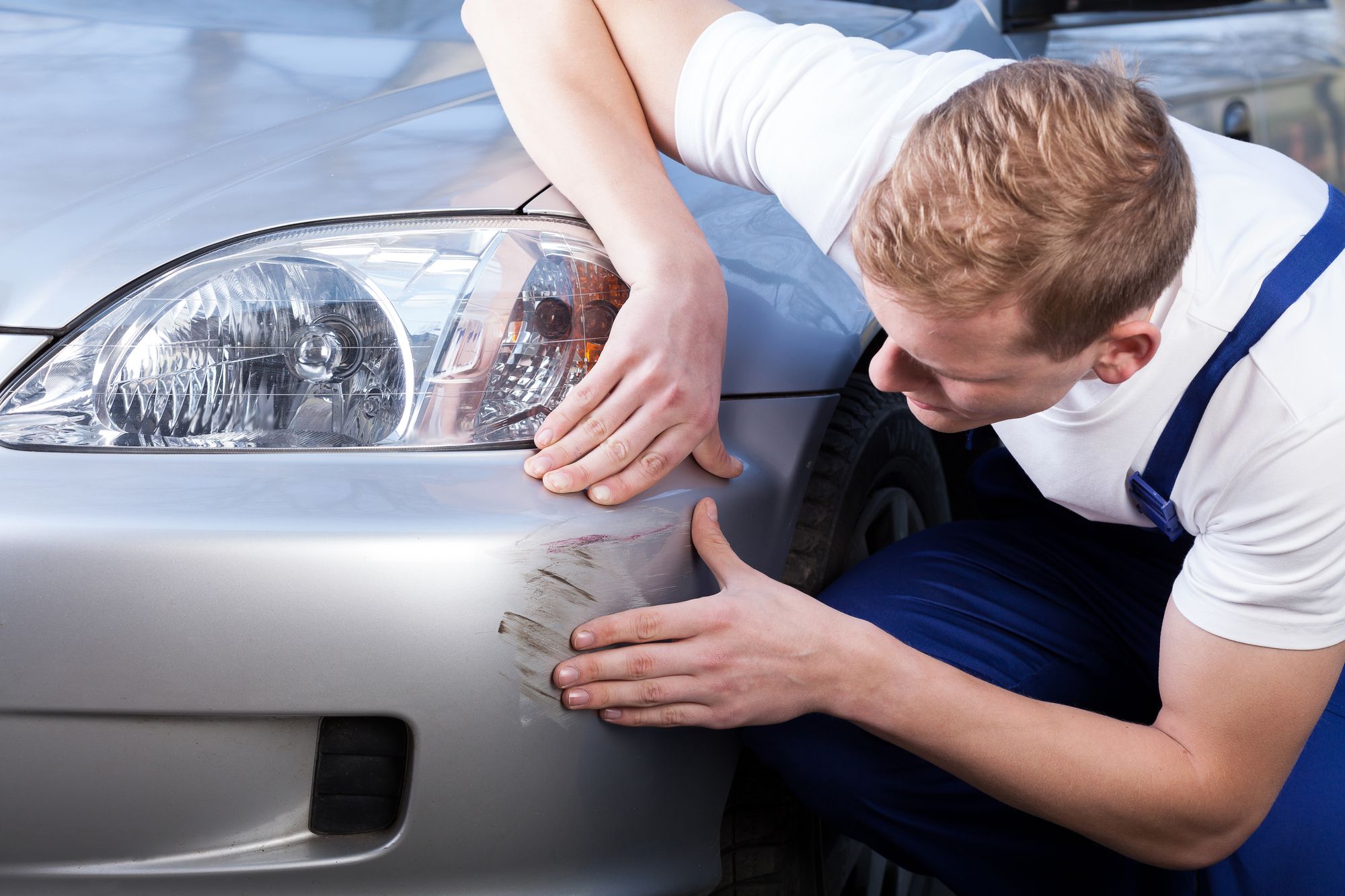
Car scratches might be inevitable, but letting them ruin your vehicle’s appearance isn’t. Understanding the type of damage you’re dealing with helps you make informed decisions about repairs. Minor clear coat scratches often suit DIY solutions, while more serious damage genuinely requires professional expertise.
When choosing a repair service, prioritise quality over the lowest price. A well-executed repair protects your car’s value and ensures the damage stays invisible for years to come. Take the time to research local panel beaters, read reviews, and ask the right questions before committing.
Ultimately, looking after your car’s paintwork is an investment in both aesthetics and resale value. Whether you’re dealing with a frustrating car park scratch or considering a full respray, you now have the knowledge to make the best choice for your situation. Your car will thank you for it.


